-

GST Rules for Goods Sent for Job Work and Processing
GST rules for job work allow goods to be sent for processing without payment of GST, subject to statutory conditions. Businesses must follow return deadlines, maintain delivery challans, file Form GST ITC 04 where applicable, and ensure proper input tax credit and tax compliance.
Read article -

Challenging GST Orders for Breach of Natural Justice
GST orders can be challenged for breach of natural justice, including denial of personal hearings, ignored submissions, or unreasoned decisions. Taxpayers may seek relief through appeals or High Court petitions.
Read article -

GST on Joint Development Agreements in Real Estate
GST on joint development agreements depends on development rights, construction services, project type, and valuation. Landowners and developers must assess tax liability, reverse charge, ITC eligibility, and compliance requirements.
Read article -

GST on Foreign SaaS Subscriptions for Indian Businesses
GST on foreign SaaS subscriptions may apply under reverse charge in India. Businesses must assess IGST liability, input tax credit eligibility, registration requirements, and GST return compliance.
Read article -

GST on Sale of Land and Completed Commercial Buildings in India
GST on sale of commercial property in India depends on completion status and transaction type. Completed buildings and land are generally outside GST, while under construction units may attract GST.
Read article -

GST on Sale of Land and Completed Commercial Buildings
SMV Chambers explains GST on commercial property sales, covering land, completed and under construction buildings, completion certificates, ITC and rental income.
Read article -

GST Liability for Changes in Government Contract Terms
SMV Chambers explains GST liability for government contract variations, covering tax rate changes, additional work, price escalation, reimbursement rights and contractual disputes.
Read article -

GST Law Updates in India: Key Regulatory Changes Businesses Should Monitor
SMV Chambers covers key GST law updates in India, including rate changes, ISD, e invoicing, registration, GSTN reforms, GSTAT and recent legal developments.
Read article -

Annual GST Compliance Review: Why Every Business Should Conduct One
SMV Chambers explains why annual GST compliance reviews help businesses identify reporting errors, ITC issues, reconciliation gaps and regulatory risks before they escalate.
Read article -

GST Notices, Investigations and Departmental Queries: How Businesses Can Prepare
SMV Chambers explains how businesses can prepare for GST notices, investigations and departmental queries through timely responses, reconciliations and strong documentation.
Read article -

GST Health Check: Signs Your Business May Have Compliance Gaps
SMV Chambers explains GST compliance health checks, covering ITC, return mismatches, invoicing, classification, documentation and key compliance gaps.
Read article -

What Business Owners Should Know Before Outsourcing GST Compliance?
SMV Chambers explains how businesses can manage outsourced GST compliance, reduce tax risks, protect data and maintain accurate filings through effective controls.
Read article -

GST Compliance for Startups: Legal Considerations Before Scaling
GST compliance for startups becomes more complex as businesses scale, making proper registration, ITC management, invoicing, e invoicing, interstate supplies and tax controls essential for sustainable growth.
Read article -

How Technology Can Improve GST Compliance and Reduce Errors?
Technology can improve GST compliance through automated invoicing, ITC reconciliation, ERP integration, vendor monitoring and data analytics, helping businesses reduce errors and identify risks earlier.
Read article -

GST Advisory vs GST Litigation: When Does Your Business Need Each?
Understand the difference between GST advisory and litigation, including when businesses need preventive tax guidance, notice defence, appeals, and formal dispute resolution
Read article -

How Internal GST Reviews Can Reduce Compliance Risks
SMV Chambers explains how internal GST reviews help businesses identify ITC errors, return mismatches, classification issues, documentation gaps and compliance risks.
Read article -
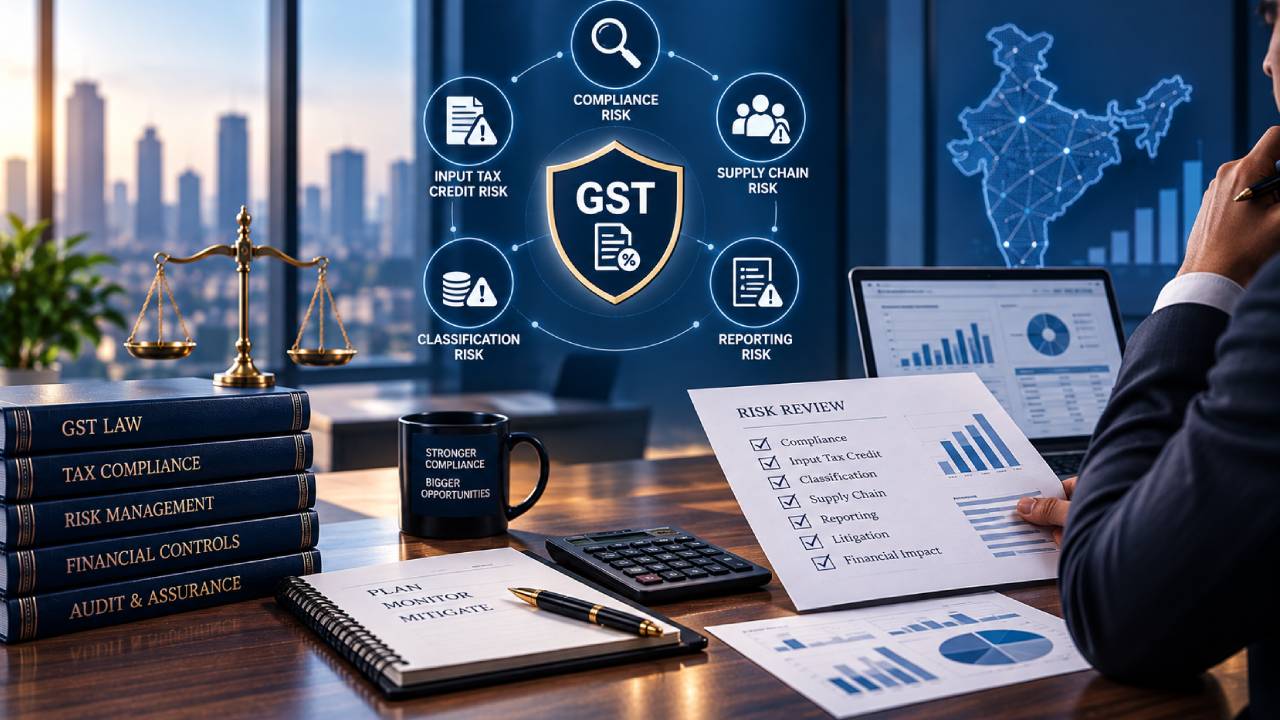
GST Compliance Risks Every CFO and Finance Head Should Monitor
SMV Chambers helps CFOs identify and manage GST compliance risks involving ITC, reconciliations, e invoicing, vendor compliance, classification, reverse charge and GST notices.
Read article -

GST Compliance for Foreign Companies Doing Business in India
SMV Chambers helps foreign companies understand Indian GST registration, filing, invoicing, input tax credit, reverse charge and ongoing compliance obligations.
Read article -

GST Due Diligence Before Buying or Investing in a Business
Understand how GST due diligence helps buyers and investors identify tax liabilities, ITC risks, disputes and compliance issues before acquiring or investing in an Indian business.
Read article -
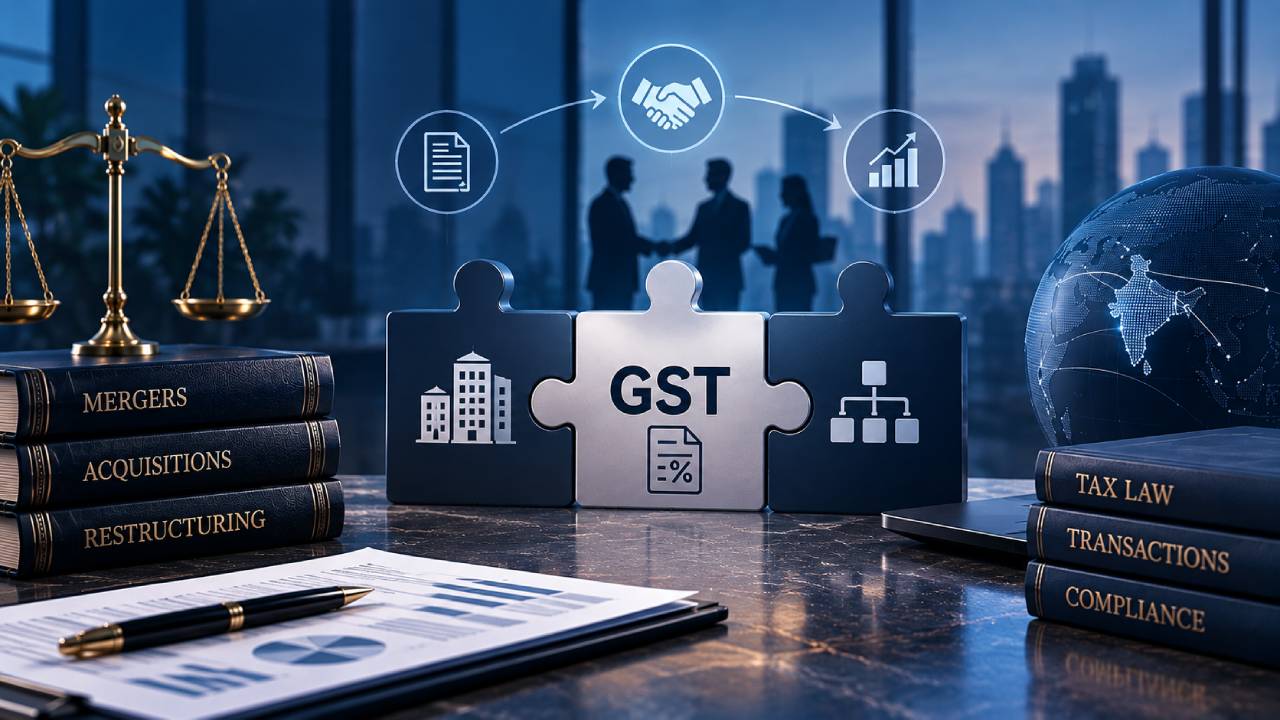
GST Implications During Business Mergers, Acquisitions and Restructuring
Understand the GST implications of mergers, acquisitions and restructuring in India, including ITC, registrations, liabilities, transfers and compliance considerations.
Read article -

Cross-State Business Operations and GST Compliance Challenges
Understand GST challenges in cross-state business operations, including registration, invoicing, inter-state supplies, input tax credit and compliance requirements.
Read article -

GST Compliance for Exporters and Importers: What Businesses Should Know
Understand GST compliance for exporters and importers in India, including registration, documentation, zero-rated supplies, input tax credit and key tax obligations.
Read article -

GST Compliance for Manufacturers, Traders and Service Providers: Key Differences
Key GST compliance differences for manufacturers, traders and service providers in India, covering registration, invoicing, returns and tax obligations.
Read article -

GST Compliance for E-commerce Businesses in India
Understand GST compliance for e-commerce businesses in India, including registration, invoicing, tax collection, returns, and key compliance requirements.
Read article -

GST Compliance During Business Expansion into New States
Understand GST compliance when expanding into new states, including registration requirements, inter-state supplies, invoicing, input tax credit and returns.
Read article -

How Incorrect GST Classification Can Create Legal and Financial Risks
SMV Chambers explains how incorrect GST classification can cause tax disputes, excess liabilities, ITC issues, penalties and compliance risks for businesses.
Read article -

GST Documents Every Business Should Maintain
Learn which GST documents businesses should maintain and why organised records can support compliance, reporting and responses to tax authorities.
Read article -

GST Record Keeping: Best Practices for Businesses
Understand GST record-keeping requirements and practical ways businesses can maintain accurate records and reduce compliance-related difficulties.
Read article -

Input Tax Credit: Common GST Compliance Issues
Understand common input tax credit issues businesses face under GST and the compliance considerations that can affect eligible ITC claims.
Read article -

How to Prepare Your Business for a GST Department Audit
SMV Chambers explains how businesses can prepare for a GST Department Audit through reconciliations, documentation, ITC checks, audit responses and legal compliance reviews.
Read article -

GST Audit vs GST Assessment: Understanding the Legal Difference
SMV Chambers explains the legal difference between GST audit and assessment, covering scrutiny, departmental audits, demand proceedings, taxpayer rights and compliance obligations.
Read article -

How to Respond to a GST Notice from Tax Authorities
SMV Chambers explains how businesses should respond to GST notices, assess legal provisions, prepare evidence, meet deadlines and protect their position before tax authorities.
Read article -

Top Documents Every Business Should Maintain for GST Compliance
SMV Chambers explains the essential GST documents businesses should maintain for accurate filings, ITC claims, audits, refunds and ongoing GST compliance.
Read article -
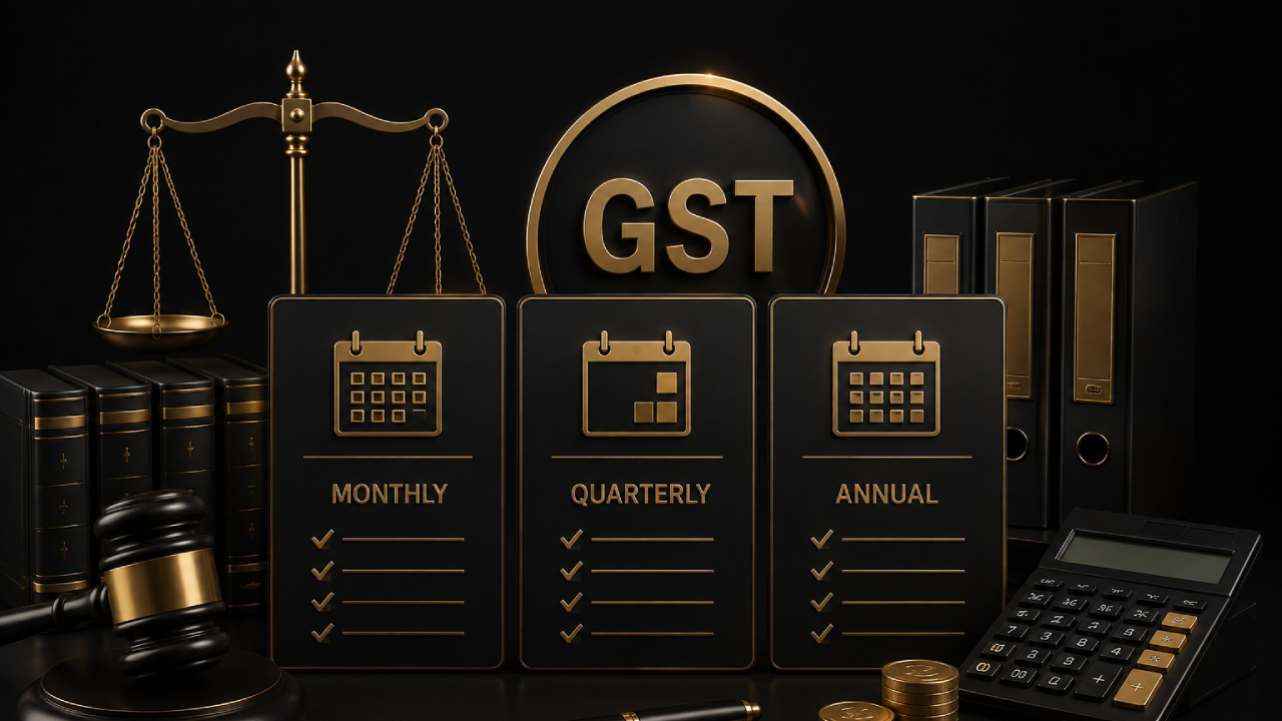
Monthly, Quarterly and Annual GST Compliance: What Is the Difference?
SMV Chambers explains monthly, quarterly and annual GST Compliance, covering return filing, ITC reconciliation, tax payments, GSTR 9, GSTR 9C and key compliance requirements.
Read article -
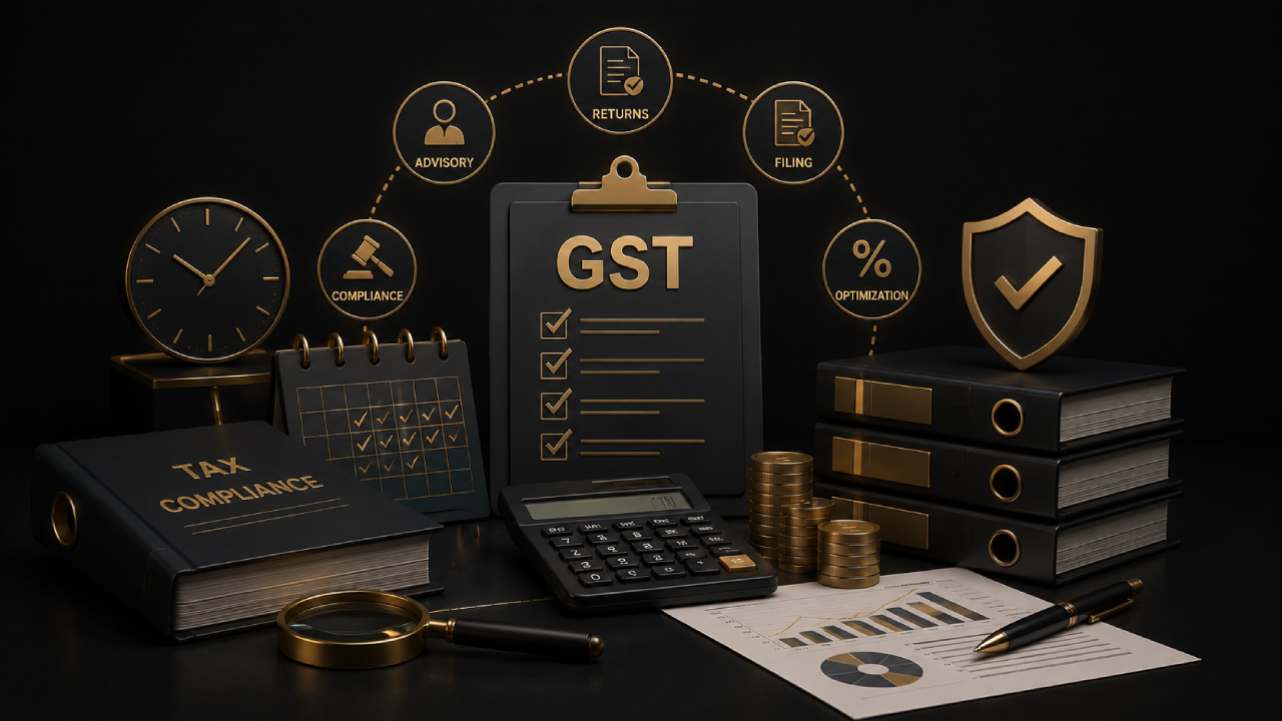
How GST Consultants Help Businesses Stay Compliant Throughout the Year
SMV Chambers provides GST Compliance Support covering return filing, ITC reconciliation, e invoicing, notices, refunds and ongoing tax compliance.
Read article -

GST Advisory Services Explained: When Does Your Business Need Professional Support?
SMV Chambers provides GST Advisory Services covering tax compliance, ITC, classification, valuation, disputes, audits and complex business transactions.
Read article -

10 Common GST Compliance Mistakes Businesses Make (And How to Avoid Them
Discover the most common GST compliance mistakes businesses make, their potential consequences, and practical steps to reduce compliance risks and improve tax governance.
Read article -

What Happens If You Fail to Comply with GST Requirements in India?
Learn what GST non-compliance can mean for businesses in India, including legal risks, regulatory actions, business disruptions, and practical steps to improve compliance.
Read article -
GST Compliance Checklist for Startups and Small Businesses in India
Looking for a GST compliance checklist? Learn the essential registrations, records, return filings, documentation, and compliance practices every startup and small business should follow.
Read article -

GST Registration vs GST Compliance: What Every Business Should Know
Understanding GST Registration vs GST Compliance is essential for every business operating in India. Registration provides legal recognition under the GST regime, while compliance involves continuous obligations such as return filing, tax payment, invoicing, record maintenance, and Input Tax Credit reconciliation. Strong compliance practices help businesses reduce regulatory risks and avoid unnecessary disputes.
Read article -
Complete Guide to GST Compliance in India for Businesses
GST Compliance For Business requires continuous adherence to the provisions of the CGST Act, IGST Act, and related rules. Businesses should focus on timely registration, invoicing, return filing, GST Audit preparedness, GST Refund claims, Input Tax Credit reconciliation, and accurate GST tax compliance to minimise regulatory risks and support long term business growth.
Read article -

How Manufacturers Can Maximize Tax Incentives
How manufacturers can benefit from available tax incentives through effective planning and compliance strategies.
Read article -

How Tax Treaties Influence Payments Under International Service Contracts
Tax treaties influence cross border service payments by reducing double taxation, determining withholding tax obligations, and allocating taxing rights. Proper treaty analysis helps businesses improve compliance, reduce tax risks, and manage international service contracts efficiently.
Read article -

Classifying Financial Instruments for Tax Purposes
Proper classification of financial instruments is essential for accurate tax compliance and risk management. Learn how debt, equity, derivatives and hybrid instruments are taxed, common classification issues and practical steps businesses can take to reduce tax disputes.
Read article -

Strengthening Tax Compliance for NBFCs
Taxation of NBFCs in India demands strong compliance, accurate reporting, and effective governance. Learn how NBFCs can manage income tax, GST, TDS, documentation, reconciliations, and regulatory risks while supporting sustainable business growth.
Read article -

GST and Tax Risks in Import Export Businesses
Import export businesses face significant GST and income tax obligations. Proper compliance, accurate documentation, timely filings, and effective tax planning help reduce disputes, protect input tax credits, avoid penalties, and support smooth international trade operations.
Read article -

Cross Border Service Agreements and Withholding Tax Risks
Cross-border service arrangements can create withholding tax obligations, making careful contract structuring and tax review essential.
Read article -

Tax Compliance Requirements for Liaison and Branch Offices
Liaison and branch offices must meet specific tax and reporting requirements to maintain compliance and avoid regulatory challenges.
Read article -

Tax Guide for Setting Up a Foreign Subsidiary in India
Establishing a foreign subsidiary in India requires careful tax planning, regulatory compliance, and a clear understanding of reporting obligations.
Read article -

Understanding Show Cause Notices in Revision Cases
A Show Cause Notice for Revision is issued before tax authorities revise an assessment order. Learn its purpose, legal basis, taxpayer rights, response process, possible outcomes, and key considerations under income tax law.
Read article -

PE Exposure Risks for Foreign Tech Companies in India
Foreign technology companies operating in India should assess permanent establishment risks to avoid unexpected tax liabilities and compliance issues.
Read article -

Angel Tax and Startup Valuation Challenges in India Explained
Startup valuations often attract regulatory scrutiny. Businesses must carefully justify investment valuations to address potential angel tax concerns.
Read article -

High Value Transaction Notice from Income Tax Explained
Learn what a high value transaction notice from the Income Tax Department means and how taxpayers should respond to avoid legal complications.
Read article -

Revision Under Section 263: Key Provisions Explained
Revision under Section 263 empowers the Commissioner of Income Tax to revise assessment orders that are erroneous and prejudicial to Revenue interests. Learn the conditions, procedure, limitation period, judicial principles, and taxpayer safeguards.
Read article -

Taxation of ESOPs in India: What Employees Should Know
Understand the taxation of ESOPs in India, including tax implications at exercise and sale stages. Learn how perquisite tax, capital gains tax, startup exemptions, valuation methods, and compliance requirements impact employees and employers.
Read article -

Key Tax Implications for SaaS Companies in India
Understanding the tax implications for SaaS companies is essential for compliance and growth. This article covers income tax, GST, cross border taxation, withholding tax, transfer pricing, digital taxes, and tax planning strategies for SaaS businesses.
Read article -

Time Limits for Reassessment Proceedings Explained
Understanding the Time Limit for Reassessment is essential for taxpayers facing reopened income tax assessments. This article explains the reassessment timelines, key provisions under Sections 147 to 149 and 148A, taxpayer rights, and compliance requirements under the Income Tax Act.
Read article -

Complete Guide to Reassessment Under Section 148
Reassessment under Section 148 allows the Income Tax Department to reopen assessments where income has escaped taxation. This guide explains the reassessment process, timelines, taxpayer rights, legal safeguards, and how to respond effectively.
Read article -

Taxation Rules for Real Estate Developers in India
Understand the key tax provisions affecting real estate developers in India, including income tax, GST considerations, and compliance obligations.
Read article -

Capital Gains and TDS Rules in Property Transactions
Capital gains tax and TDS apply to property transactions in India and what buyers and sellers should know before closing a deal.
Read article -

Understanding the Tax Treatment of EPC Contracts
Tax implications of EPC contracts, including income tax and GST aspects that businesses should evaluate during project execution.
Read article -

When Should You Approach the Dispute Resolution Panel?
The Dispute Resolution Panel (DRP) offers eligible taxpayers an opportunity to challenge draft assessment orders before they become final. It helps resolve tax disputes efficiently, reduces litigation, and ensures fair review of proposed tax adjustments.
Read article -

Stay on Demand during Tax Appeal: Complete Guide for Taxpayers and Businesses
A Stay on Demand during Tax Appeal protects taxpayers from immediate recovery of disputed tax liabilities while appeals remain pending. Strong legal grounds, financial hardship evidence, and timely applications significantly improve the chances of obtaining relief.
Read article -

Tax Litigation Strategy for Corporates: Managing Tax Disputes Effectively
A Tax Litigation Strategy for Corporates helps businesses manage tax disputes through proactive compliance, strong documentation, effective appeals, and structured risk management. Strategic planning reduces financial exposure and improves litigation outcomes.
Read article -

Filing Appeal before CIT(A): Process and Timeline
An Appeal before CIT(A) is the primary appellate remedy available against adverse income tax orders. Timely filing, proper documentation, and strong legal grounds are essential for securing relief and protecting taxpayer rights.
Read article -

Section 148A Notice: Procedure and Legal Safeguards
A Section 148A Notice is a crucial procedural safeguard requiring tax authorities to provide taxpayers an opportunity to explain alleged income escapement before reassessment begins. Timely responses and proper documentation can significantly reduce reassessment and litigation risks.
Read article -

Time Limit for Responding to Tax Notices in India
Learn the time limits for responding to different income tax notices in India and why timely compliance is important for taxpayers.
Read article -

Consequences of Ignoring Income Tax Notice: Why Timely Response Matters
Ignoring an income tax notice can result in ex parte assessments, higher tax demands, penalties, recovery proceedings, and prolonged litigation. Timely responses and proper documentation remain the most effective way to protect taxpayer rights and avoid unnecessary disputes.
Read article -
How to Respond to an Income Tax Notice: A Complete Guide for Taxpayers and Businesses
Understanding how to respond to income tax notice proceedings is essential for avoiding penalties and managing tax disputes effectively. Timely responses, proper documentation, and professional guidance help taxpayers resolve issues efficiently and maintain compliance.
Read article -

Final Assessment Order under Section 143(3): Complete Guide for Taxpayers and Businesses
A Section 143(3) assessment order is issued after scrutiny assessment and may affect tax liability, appeals, and future compliance obligations. Strong documentation and timely responses remain essential.
Read article -

High Value Transaction Notice from Income Tax
A high value transaction notice is generally issued to verify significant financial activities reported to tax authorities. Proper documentation, timely responses, and compliance planning help reduce litigation and reassessment risks.
Read article -

Reassessment, Revision and Tax Litigation in India
Tax litigation in India includes reassessment, revision proceedings, appeals, and dispute resolution mechanisms affecting businesses and taxpayers. Strong compliance systems and early legal intervention help reduce litigation risks.
Read article -

Is Renewable Energy Growth Moving Faster Than Project Readiness?
Renewable energy expansion in India is advancing rapidly, driven by investment, policy support, and sustainability goals. However, many projects still face challenges linked to land acquisition, regulatory approvals, transmission infrastructure, financing, and contractual risks. The growing focus on Renewable Energy Project Readiness highlights the need for stronger legal planning, infrastructure coordination, and governance to ensure renewable projects move from announcement to successful execution.
Read article -

Why Renewable Energy Needs More Than Ambition to Scale Sustainably
Sustainable Renewable Energy Growth depends on more than ambitious targets. Long term success requires strong infrastructure, stable policies, reliable financing, environmental responsibility, and effective legal support. Without practical implementation and coordinated planning, renewable energy expansion may struggle to remain efficient and sustainable.
Read article -

Why Long-Term Success in Renewable Energy Starts With Better Strategy?
Renewable energy businesses are growing rapidly, but long term success depends on more than innovation alone. A strong Renewable Energy Startup Strategy helps companies manage regulatory obligations, financial planning, operational scalability, and investor expectations more effectively. Businesses with clear governance, legal readiness, and sustainable growth planning are better positioned to handle market challenges and achieve long term commercial stability in the evolving clean energy sector.
Read article -

How Clean Energy Expansion Is Changing India’s Commercial Landscape
Clean Energy Expansion India is reshaping the country’s commercial landscape through renewable infrastructure, green manufacturing, and sustainable business practices. Industries are adopting clean energy to reduce costs, improve efficiency, and meet evolving ESG goals. Government support and foreign investment continue to drive growth, while businesses increasingly rely on top renewable energy attorneys and the best corporate law firm for regulatory and commercial guidance in this rapidly evolving sector.
Read article -

Why the Business of Energy Is Changing Faster Than Ever?
The Business of Energy is evolving rapidly due to renewable energy growth, technological innovation, ESG pressures, and changing global regulations. Countries such as India are accelerating clean energy investments, creating new opportunities and legal complexities for businesses. As energy markets become more dynamic, companies increasingly work with renewable energy law firms for regulatory and project related guidance, while corporate lawyers for business help manage ESG compliance, investments, and commercial risks in the fast changing energy sector.
Read article -

Why Renewable Energy Is Becoming Central to ESG Strategy
Renewable energy adoption is becoming central to ESG strategy by supporting sustainability, investor confidence, operational efficiency, and long term corporate growth.
Read article -

How Policy Shifts Are Influencing Renewable Energy Growth in India
Renewable energy policy in India is driving sector growth through investment support, infrastructure development, and regulatory reforms focused on sustainability.
Read article -

Why Regulatory Readiness Matters More in the Renewable Energy Sector?
Regulatory compliance in renewable energy is essential for project success, risk management, and investor confidence in India’s growing clean energy sector.
Read article -

How India Is Becoming a Key Market for Renewable Energy Expansion?
Renewable energy expansion in India is accelerating due to policy support, global investment, and innovation, making it a key global market.
Read article -

Why Renewable Energy Projects Are Attracting More Investor Confidence?
The renewable energy sector in India is attracting strong investor confidence due to policy support, declining costs, and long term growth opportunities.
Read article -

How India’s Renewable Energy Sector Is Evolving Rapidly?
The renewable energy sector in India is evolving rapidly due to policy support, investment, and innovation, driving economic growth and sustainability.
Read article -

Why Clean Energy Investment Is Rising Across India?
Clean energy investment in India is rising due to policy support, global capital, and technological advancements, driving economic growth and sustainability.
Read article -

Why India’s Clean Energy Transition Is Gaining Stronger Momentum?
India Clean Energy Transition is accelerating due to policy support, investment, and technology, driving economic growth and sustainability.
Read article -

How Renewable Energy Is Reshaping India’s Economic Future?
Renewable energy growth is transforming India’s economy by driving investment, job creation, and sustainable development while reducing dependence on fossil fuels.
Read article -

Income Tax Notice for Cash Deposit: Key Rules Explained
Income Tax Notice for Cash Deposit is issued when deposits do not match declared income. Proper documentation and timely response help avoid tax and penalty exposure.
Read article -

Penalty under Section 270A: Underreporting and Misreporting
Penalty under Section 270A applies to underreporting and misreporting of income. Proper compliance, documentation, and timely response help reduce penalty risk.
Read article -

Best Judgment Assessment under Section 144
Judgment Assessment under Section 144 applies when taxpayers fail to comply with notices or filing requirements. Proper compliance and timely response help avoid adverse tax consequences.
Read article -

Show Cause Notice under Section 143(3): Legal Guide
Show Cause Notice under Section 143(3) allows companies to respond to proposed tax adjustments during scrutiny assessment. A strong response helps avoid additions and reduce litigation risk.
Read article -

Income Tax Demand Notice under Section 143(1) Explained
Income Tax Demand Notice under Section 143(1) arises due to return processing adjustments. Timely response and proper verification are essential to avoid penalties and disputes.
Read article -

Income Tax Notices and Assessment Proceedings in India: Corporate Guide
Income tax notices in India require timely response, accurate documentation, and strategic handling to manage assessment proceedings and reduce litigation risk.
Read article -

A Step by Step Guide to Responding to Tax Survey Proceedings in India
Responding to tax survey proceedings in India requires careful coordination, accurate documentation, and timely response to minimise tax risk and litigation exposure.
Read article -

Transfer Pricing Risk Management: Strategies to Ensure Compliance and Reduce Tax Risks
Transfer pricing risk management helps companies ensure compliance, maintain proper documentation, and reduce tax disputes arising from related party transactions.
Read article -

Guide to Structuring Intercompany Transactions for Tax & Compliance
Structuring intercompany transactions ensures compliance with transfer pricing, tax laws, and regulatory requirements. Proper documentation and pricing help reduce disputes and tax risk.
Read article -

How Capital Gains Are Calculated on Unlisted Shares: Tax Rules Explained
Capital gains on sale of unlisted shares in India depend on holding period, cost of acquisition, valuation, and residency of parties. Proper tax planning and documentation are essential.
Read article -

A Complete Guide to Tax Implications of Share Transfers in India
Tax implications of share transfers in India include capital gains tax, withholding obligations, valuation issues, and treaty exposure. Proper structuring and documentation help reduce tax risk and disputes.
Read article -

Director Liability in Tax Proceedings: Legal Risks & Compliance Guide
Director Liability in Tax Proceedings arises when directors are held personally responsible for a company’s unpaid taxes, especially if recovery from the company fails due to negligence or misconduct. Liability is not automatic and depends on the director’s role and involvement. By maintaining proper compliance, documentation, and oversight, directors can significantly reduce legal and financial risks.
Read article -

Tax Due Diligence in Mergers and Acquisitions: A Practical Guide for Businesses
Tax due diligence for M&A helps identify hidden tax liabilities, assess compliance risks, and support better valuation, structuring, and negotiation in corporate transactions.
Read article -

How to Prepare for Income Tax Audit in India: Step by Step Guide?
Learn income tax audit preparation in India, key compliance steps, required documents, audit process, and how businesses can reduce tax risk effectively.
Read article -

Tax Risk Management Framework for Companies: A Practical Guide for Indian Businesses
A tax risk management framework helps companies identify, control, and defend tax exposure across operations. Strong governance, documentation, and early review reduce disputes and compliance risk.
Read article -

Income Tax Return for Foreign Companies in India: Complete Legal and Compliance Guide
Income tax return for foreign companies in India usually requires filing ITR 6 where taxable income arises from royalty, FTS, dividends, capital gains, or Indian business operations. Proper filing helps preserve treaty benefits, claim refunds, and reduce tax litigation risk.
Read article -

TDS on Dividends to Non-Residents in India: Complete Guide
TDS on dividends to non-residents depends on domestic law and treaty benefits. Proper documentation and compliance help reduce tax liability and avoid disputes.
Read article -

Make Available Clause under FTS: Meaning, Scope and Practical Implications
The Make available clause under FTS determines whether technical services to non residents are taxable in India. Only services transferring usable knowledge attract tax under treaty provisions.
Read article -

Tax Rate on Royalty under DTAA: Complete Guide for Businesses
DTAA royalty tax rate determines how cross border royalty payments are taxed in India. Applying treaty rates helps reduce tax burden, ensure compliance, and avoid double taxation in international transactions.
Read article -

Engineering Analysis Supreme Court Ruling Explained: Impact on Software Payments and International Taxation
The Engineering Analysis Supreme Court ruling clarified that software licence payments are not royalty without transfer of copyright. This reduces TDS obligations and provides clarity for cross border software transactions.
Read article -

TDS on Software License Fee to Non-Residents: Complete Legal Guide
TDS on software license fee depends on whether payments are classified as royalty or business income. Proper treaty analysis and documentation help businesses determine withholding tax obligations and reduce compliance risk.
Read article -

Lower Withholding Certificate under Section 197: Complete Legal Guide
A Lower Withholding Certificate under Section 197 allows taxpayers to reduce tax deducted at source when statutory withholding exceeds actual liability, improving cash flow and ensuring accurate tax compliance.
Read article -

Lower Withholding Certificate under Section 197: Complete Legal Guide
A Lower Withholding Certificate under Section 197 allows taxpayers to reduce tax deducted at source when statutory withholding exceeds actual tax liability. It improves cash flow and ensures accurate tax compliance for businesses and cross border transactions.
Read article -

TDS Under Section 195: Complete Guide
TDS under Section 195 governs tax deduction on payments to non-residents. Understanding taxability, treaty provisions, and compliance procedures helps businesses manage cross border tax obligations effectively.
Read article -

Fixed Place PE vs Service PE vs Agency PE: Understanding Permanent Establishment in International Taxation
Fixed Place PE, Service PE, and Agency PE represent different ways a foreign enterprise may create taxable presence in India. Understanding these structures helps businesses manage international taxation risk and ensure compliance with treaty provisions.
Read article -

Hyatt International Supreme Court Ruling on PE: Key Legal Insights for International Taxation
The Hyatt International PE Ruling clarifies how Indian courts interpret Permanent Establishment for foreign enterprises, especially in service and management agreement structures.
Read article -

Permanent Establishment in India Explained
Permanent Establishment in India determines when foreign companies become taxable in India. Understanding treaty rules, profit attribution, and compliance obligations helps reduce tax risk and disputes.
Read article -

M&A vs Strategic Alliance: Legal Considerations for Indian Companies
M&A vs Strategic Alliance in India involves key differences in ownership, control, regulatory approvals, risk exposure, and tax implications. This guide helps companies choose the right legal structure for growth.
Read article -

In-House Counsel vs External Corporate Law Firm: Which Is Right for Your Business
In-House Lawyer vs Corporate Law Firm is a key decision for businesses. This guide compares cost, expertise, risk management, and governance to help companies choose the right legal structure.
Read article -

Reassessment, Revision and Tax Litigation in India: Complete Corporate Guide
This guide explains reassessment, revision, and tax litigation in India under the Income Tax Act, 1961. It covers Sections 147, 148A, and 263, appellate remedies, limitation periods, penalty exposure, and prosecution risks. The article provides corporate taxpayers with structured insight into procedural safeguards, litigation hierarchy, dispute resolution mechanisms, and strategic tax risk management in an increasingly data-driven enforcement environment.
Read article -

Income Tax Notices and Assessment Proceedings in India: Corporate Guide
Income tax notices and assessment proceedings in India have become increasingly data-driven and compliance-intensive for corporates. With the expansion of faceless assessments, AIS reporting, reassessment mechanisms, and stricter scrutiny standards, companies must adopt a structured and proactive response strategy.
Read article -

Corporate Tax Risk Management and Compliance in India: Complete Legal Guide for Businesses
This guide explains corporate tax risk management and compliance in India, covering reassessment, transfer pricing, withholding tax, penalties, and governance strategies. It helps businesses understand legal exposure and implement structured tax risk frameworks to ensure regulatory compliance and minimise litigation risk.
Read article -

How to Respond Legally When Your Company Receives a Regulatory Notice in India?
Responding to Regulatory Notice in India requires a structured legal approach, timely compliance, careful documentation, and strategic representation to reduce penalties and litigation risk.
Read article -

International Taxation and Withholding Tax in India: Complete Legal Guide for Corporates and Foreign Companies
International Taxation in India governs cross border income, withholding tax, treaty benefits, and transfer pricing. Proper compliance reduces penalties and protects global business operations.
Read article -

How to Legally Protect Your Business Interests in Commercial Agreements?
Commercial Contract Protection helps businesses safeguard their interests through clear drafting, risk allocation, regulatory compliance, and enforceable dispute resolution mechanisms.
Read article -

How to Prepare a Company for Investor Due Diligence in India?
Investor Due Diligence in India requires strong corporate documentation, regulatory compliance, and financial transparency. Proper preparation reduces risk, builds investor confidence, and strengthens valuation outcomes.
Read article -

How Businesses Can Use Law to Strengthen Corporate Governance and Reduce Litigation Risk?
Corporate Governance and Litigation Risk are closely linked in modern businesses. Strong legal frameworks, transparent governance systems, and proactive compliance help companies reduce disputes and regulatory exposure.
Read article -

How Companies Can Prevent Commercial Disputes through Strong Corporate Documentation?
Commercial Dispute Prevention relies on strong corporate documentation, clear contracts, and structured governance. Well-drafted agreements and accurate records help companies reduce litigation risk and protect business interests.
Read article -

How to Ensure Corporate Compliance in India: Annual, Event-Based and Transaction-Based Requirements
Transaction-based compliance in India requires companies to manage statutory obligations triggered by corporate actions alongside annual and event-based filings. An integrated compliance approach reduces regulatory risk and supports sustainable business operations.
Read article -

How to Choose the Right Corporate Law Firm and Lawyers in India for Your Business Needs?
Choosing the right corporate law firm is vital for effective corporate legal advisory for businesses. The right legal partner supports compliance, risk management, governance, and long-term business growth.
Read article -

How Corporate Lawyers Support Risk Management and Compliance in Modern Businesses?
Corporate lawyers play a vital role in managing legal risk and ensuring regulatory compliance in modern businesses. By identifying risks early, designing compliance frameworks, supporting governance, and advising on transactions, they help organisations operate responsibly and protect long-term value.
Read article -

A Practical Guide to Foreign Company Setup in India: Corporate Legal Requirements
Foreign company setup in India requires careful selection of entry structure, compliance with corporate and foreign exchange laws, and ongoing regulatory adherence. Understanding incorporation routes, FEMA regulations, taxation, and statutory obligations helps foreign businesses establish a compliant and sustainable presence in the Indian market.
Read article -

How to Manage Corporate Litigation in India: A Legal Strategy Handbook for Companies
A practical guide to managing corporate litigation in India, covering legal strategy, regulatory risks, dispute resolution, and effective compliance planning.
Read article -

Understanding Director Liabilities: A Practical Guide for Indian Corporations
Director liabilities in India have expanded significantly due to increased regulatory scrutiny and stronger enforcement of corporate governance standards. Directors may face personal liability for breaches of statutory duties, governance failures, and regulatory non-compliance across multiple laws.
Read article -

How to Navigate Regulatory Approvals in India for Corporate Transactions?
Corporate transactions in India require careful navigation of multiple regulatory approvals across company law, foreign investment, competition law, and sector-specific regulations. Understanding approval triggers, structuring transactions strategically, and sequencing filings correctly are essential to avoid delays and compliance risks. A well-planned regulatory approach supports smooth execution and long-term legal certainty for corporate transactions.
Read article -

Corporate Restructuring in India: Legal Mechanisms, Approvals and Compliance Roadmap
Corporate restructuring in India enables companies to reorganise their legal, financial, and operational structures to improve efficiency, manage risk, and support growth. Indian law provides multiple restructuring mechanisms, including mergers, demergers, and capital restructuring, each subject to regulatory approvals and compliance requirements. A well-planned legal and compliance roadmap helps businesses navigate approvals, protect stakeholder interests, and achieve sustainable restructuring outcomes.
Read article -

A Beginner’s Guide to Joint Ventures in India: Regulatory Requirements and Best Practices
Joint ventures in India provide an effective route for businesses to collaborate, share resources, and enter new markets while managing risk. Successful joint ventures depend on careful partner selection, clear governance structures, and compliance with corporate and foreign investment regulations.
Read article -

How to Structure a Business in India: Legal and Corporate Compliance Framework Explained
Structuring a business in India requires careful legal planning and a strong corporate compliance framework from the outset. The choice of business structure determines governance standards, regulatory obligations, and long-term scalability. A well-designed compliance framework helps businesses meet statutory requirements, manage risk, promote transparency, and build investor confidence. By integrating governance, internal controls, and ongoing regulatory compliance, companies can operate responsibly and support sustainable growth in India’s evolving regulatory environment.
Read article -

Private Equity and Venture Capital Investments in India: Legal Checklist for Companies
Private equity and venture capital investments play a vital role in financing businesses in India. Companies must follow a clear legal checklist covering regulatory compliance, investment structuring, governance arrangements, shareholder rights, and exit planning. Careful legal preparation helps reduce risk, ensure enforceability, and support long-term investor and business alignment.
Read article -

Major Update on Ease of Doing Business 2.0!
The Ministry of Corporate Affairs has introduced a series of compliance reforms aimed at reducing regulatory burden and improving ease of doing business in India. Key measures include higher thresholds for small companies, continued de-criminalisation of procedural offences, faster merger approvals, support for overseas listings, and enhanced digital compliance systems. These reforms reflect ongoing efforts to modernise corporate regulation, strengthen governance, and support sustainable business growth.
Read article -

How to Draft and Negotiate Commercial Contracts in India: A Practical Guide
Commercial contracts in India govern business relationships by defining rights, obligations, risk allocation, and dispute resolution mechanisms. Effective drafting and negotiation require clarity, legal compliance, and a strong understanding of commercial objectives. Well-structured commercial contracts reduce disputes, ensure enforceability under Indian law, and support stable and long-term business relationships.
Read article -

Board of Directors: Legal Duties, Responsibilities and Liabilities under Indian Law
The board of directors plays a critical role in corporate governance under Indian law. Directors are entrusted with legal duties, statutory responsibilities, and fiduciary obligations that require them to act with care, diligence, and integrity. Understanding the responsibilities of directors under Indian law helps ensure compliance, reduces personal liability, and strengthens transparent and accountable corporate management.
Read article -

A Detailed Guide to Shareholder Rights and Corporate Governance in India
Shareholder rights and corporate governance in India play a crucial role in ensuring transparency, accountability, and fair management of companies. Indian law provides shareholders with rights to information, participation, and legal remedies, while corporate governance frameworks regulate how companies are directed and controlled. Together, these mechanisms protect investor interests, strengthen corporate accountability, and support sustainable business growth in India.
Read article -

The Complete Guide to Corporate Law in India: Principles, Processes and Practical Compliance
Corporate laws in India oversee the formation, governance, compliance and restructuring of companies. They ensure accountability, protect stakeholder interests and regulate financial and operational activities. A structured corporate legal framework helps businesses operate responsibly, raise capital, manage risks and comply with statutory requirements throughout their lifecycle.
Read article -

How to Conduct Legal Due Diligence for Mergers and Acquisitions in India?
Legal due diligence is a critical step in mergers and acquisitions in India. It involves assessing a target company’s legal, financial, regulatory, operational, and intellectual property aspects to uncover risks, verify compliance, and support informed deal-making. A structured due diligence process, guided by experienced legal, tax, and financial advisors, ensures accurate valuations, mitigates liabilities, and enables smooth post-merger integration.
Read article -

Understanding Gaming Laws: What Every Player and Developer Should Know
Gaming laws protect players and developers by regulating age ratings, in-game purchases, online safety, data privacy, and copyrights. Rules vary by country and impact how games are made and played.
Read article -

Religious Denomination – Multiculturalism, Group Rights and the Constitution
Analyses the Supreme Court’s attempt to reconcile its dominant liberalism/individualism based approach towards fundamental rights as against the group right claims under Article 26, in the recent Sabarimala verdict.
Read article -
Sabarimala and the Essential Religious Practices Test
Vivek Anandh thematically analyses the important doctrinal conclusions on the ‘Essential Practices’ test and its discursive impact on the constitutional jurisprudence in the context of the Sabarimala Judgment
Read article
GST Rules for Goods Sent for Job Work and Processing
GST rules for job work allow goods to be sent for processing without payment of GST, subject to statutory conditions. Businesses must follow return deadlines, maintain delivery challans, file Form GST ITC 04 where applicable, and ensure proper input tax credit and tax compliance.